

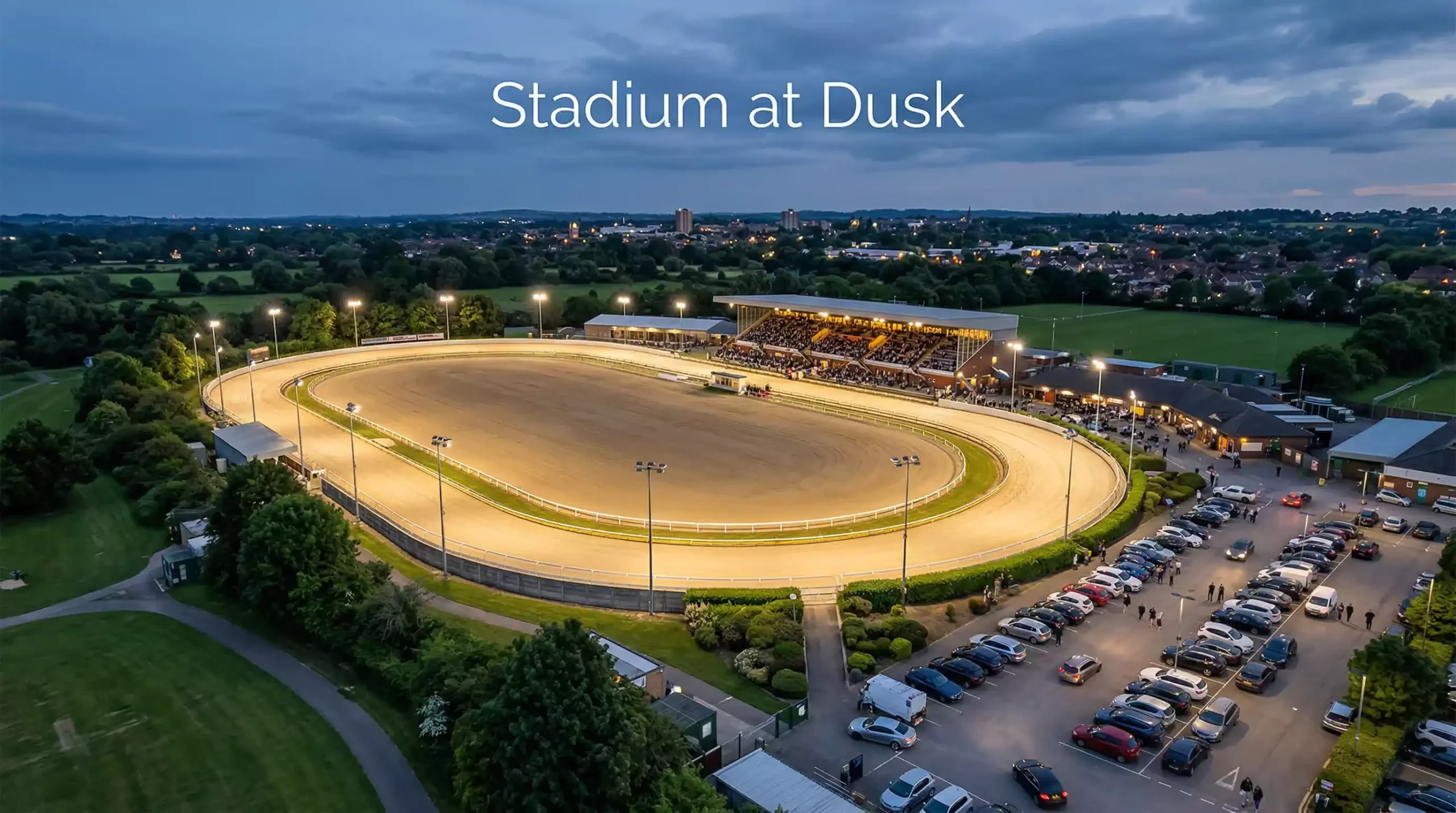
Where the Money Comes From — and Where It Goes
Greyhound racing economics are unlike anything else in British sport. There’s no television rights bonanza comparable to football. There’s no central governing body distributing billions from broadcast deals. Instead, the financial structure of UK greyhound racing is built on a voluntary levy from bookmakers, a patchwork of commercial agreements between stadiums and media companies, and prize money that — while meaningful to participants — is modest by the standards of other professional sports.
Globally, the greyhound racing market was valued at approximately $2.1 billion in 2024. The UK accounts for a significant portion of that figure, alongside Australia, Ireland, and a handful of other markets. But the domestic economics tell a more nuanced story — one of declining bookmaker revenues, rising costs, and an industry that has spent the last decade trying to do more with less.
Understanding where the money comes from, how it flows through the sport, and where it ends up is essential context for anyone trying to make sense of greyhound racing’s present situation and future prospects.
BGRF: The Fund That Keeps British Greyhound Racing Running
The British Greyhound Racing Fund is the single most important financial mechanism in the sport. The BGRF collects voluntary contributions from bookmakers — currently set at 0.6% of their greyhound betting turnover — and distributes the money to licensed tracks, welfare programmes, and industry development initiatives. For the financial year 2024–25, BGRF revenues stood at £6.75 million.
That £6.75 million sounds significant until you put it in context. In 2022–23, the figure was £7.6 million. In 2023–24, it dropped to £7.3 million — a 4% decline year on year. Adjusted for inflation using CPI, the picture is considerably bleaker: BGRF revenues have fallen by approximately 67% from their peak values in real terms. The fund that was once comfortably above £10 million in today’s money now sits at roughly a third of that level.
The decline is structural, not cyclical. Mark Moisley, GBGB’s Commercial Director, has been direct about the cause: revenue from bookmakers has been declining year on year for a number of years. The voluntary nature of the levy is the core problem. Unlike horse racing, which benefits from a statutory levy that bookmakers are legally required to pay, greyhound racing relies on goodwill. Bookmakers pay because they choose to, and their choices are increasingly influenced by the declining share of greyhound betting within their overall product mix. As online gambling has grown and customers have migrated to football accumulators, casino games, and in-play betting, the proportion of turnover generated by greyhound racing has shrunk — and with it, the bookmakers’ motivation to maintain their voluntary contribution.
The industry has campaigned for a mandatory levy for years, arguing that the voluntary system is unsustainable and that statutory funding would provide the stability needed to invest in welfare, infrastructure, and promotion. The Keep Welfare On Track campaign, backed by the GBGB, has gathered significant public support, and a petition calling for mandatory bookmaker contributions has circulated widely within the racing community. So far, successive governments have declined to legislate. The BGRF continues to operate on voluntary contributions, and the downward trajectory shows no sign of reversing.
What makes this particularly precarious is the ripple effect. When BGRF revenues decline, the fund has less to distribute to tracks. When tracks receive less from the BGRF, they have less to spend on prize money, facilities, and welfare. When welfare spending drops, the sport becomes more vulnerable to criticism — which in turn makes the political case for a ban easier to construct. The funding gap isn’t just a financial problem; it’s a strategic vulnerability that touches every aspect of the sport’s viability.
Prize Money Distribution Across UK Tracks
The total annual prize money distributed across all licensed greyhound tracks in the UK reaches £15.7 million. That figure covers everything from the £175,000 first prize for the English Greyhound Derby — the sport’s richest single event — to the few hundred pounds awarded to the winner of a midweek A8 graded race at a BAGS meeting.
Prize money in greyhound racing comes from two main sources: the stadiums themselves, which fund their own graded race programmes from admission fees, catering revenues, and commercial partnerships; and the media rights arrangements, most significantly the Premier Greyhound Racing joint venture, which has invested more than £2.5 million into Open Race prize funds across its twelve stadiums. The PGR investment has directly lifted prize money at tracks like Nottingham, where the Select Stakes first prize reached a record £12,500 in 2024.
The distribution of prize money is heavily skewed towards the top. Category 1 events and Open races carry prizes that are multiples of what graded races pay, which means a relatively small number of elite dogs and their connections earn a disproportionate share of the total purse. For the average trainer running a kennel of A4 and A5 graded dogs, the prize money from a win might cover the dog’s keep for a week or two — it’s unlikely to sustain the operation on its own. Most trainers rely on owner fees, betting winnings, and secondary income to keep their kennels viable.
This economic reality has implications for welfare. When prize money at the lower end of the grading spectrum is marginal, the financial pressure on trainers increases, and the temptation to cut corners — on veterinary care, on training quality, on retirement planning — grows. The industry’s challenge is to lift prize money at every level, not just at the top, and the BGRF’s declining revenue makes that task progressively harder.
Global Greyhound Racing Market: Growth or Decline?
The global greyhound racing market presents a paradox. Market research projections estimate the industry will grow from $2.1 billion in 2024 to approximately $2.8 billion by 2033 — a compound annual growth rate of 4.2%. That growth forecast is driven primarily by expansion in markets outside the UK, including parts of Asia, and by increased digital engagement with greyhound content through streaming platforms and online betting.
The UK domestic picture contradicts that global optimism. Betting turnover on greyhounds is declining. Stadium numbers are falling. Regulatory pressure is intensifying. The voluntary levy is shrinking. None of these trends suggest a growing industry within Britain’s borders. What they suggest is a sport that is contracting domestically while the global market — powered by different economics and different regulatory environments — continues to expand.
The question for UK greyhound racing is whether the global growth translates into domestic benefit. If international media interest in British greyhound racing increases — driven by digital platforms and the sport’s centenary — there may be opportunities to monetise that attention through broadcast deals, sponsorship, and licensing. The PGR structure already provides a framework for distributing content internationally, and the Greyhound Racing UK platform is accessible worldwide.
But the economics are working against the sport in fundamental ways. The cost of running a licensed stadium — track maintenance, veterinary staff, regulatory compliance, insurance — continues to rise. The revenue from bookmaker contributions continues to fall. And the legislative environment is turning hostile in parts of the UK, with Wales banning the sport and Scotland considering similar action. For the UK industry, the financial challenge isn’t theoretical — it’s existential, and the next five years will determine whether the current structure can sustain itself or whether further consolidation is inevitable.
The wider context is set out in our Nottingham dog results guide.
